The tactical profile of goalkeepers in Football: A scoping review with evidence gap-map
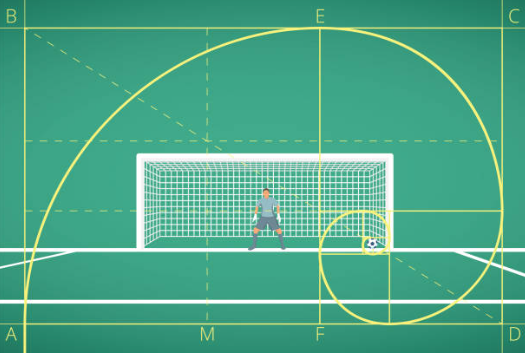
The current football game and its evolution demands a regular participation of the goalkeeper during the several phases of the game. The present scoping review aimed: i) to identify the goalkeeper’s tactical profile, ii) to identify the assessment methodologies used, and iii) to provide directions for future research and practical applications regarding the specific position of goalkeeper. The study followed the PRISMA 2020 and Cochrane’s guidelines, and PRISMA extension for Scoping Reviews (PRISMA-ScR). The databases used were PubMed, Scopus, SPORTDiscus, and Web of Science. The eligibility criteria followed the PECOS approach. A total of 5460 articles found, and 15 studies met the inclusion criteria for the objective of this scoping review. The included studies predominantly involved samples aged between sixteen to seventeen years (40 %) or senior level (53.3 %), with most research originating from the European continent. Moreover, the results highlighted the need for a more focused and nuanced approach to analyzing and developing goalkeepers’ tactical skills across diverse competitive contexts, ages, and genders. In this vein, it was suggested a shift towards «meta-specialization,» prioritizing a deeper understanding of the tactical elements directly influencing the effectiveness of goalkeepers’ technical and tactical actions. In sum, this scoping review reinforces that understanding tactical actions is crucial for analyzing a football goalkeeper’s performance, both individually and within the team. To better define tactical variables, future studies should integrate tactical principles for a more thorough comprehension of results, an approach currently lacking. Consequently, enhancing the replicability of methodological conditions and ensuring that research adequately considers the population and study context are essential.
También te puede interesar
Enseñanza comprensiva del deporte: evaluación de los elementos técnico-tácticos y fisiológicos en fútbol extraescolar y escolar
La práctica deportiva tanto en el ámbito escolar como extraescolar ha evolucionado hacia una renov
Mapping talent pathways: A comparative study of developmental activities and practice structure in Brazilian and Spanish U-18 elite youth male soccer players
The purpose of this study was threefold: (1) to compare the engagement in various types and amounts
Relative age effect in UEFA Championships soccer players.
Relative Age Effect (RAE) is the breakdown by both age grouping and dates of birth of athletes. In t

Publica un comentario