Creativity Through Embodied Movement in Expressive Activities: Conceptualising a New Pedagogical Model
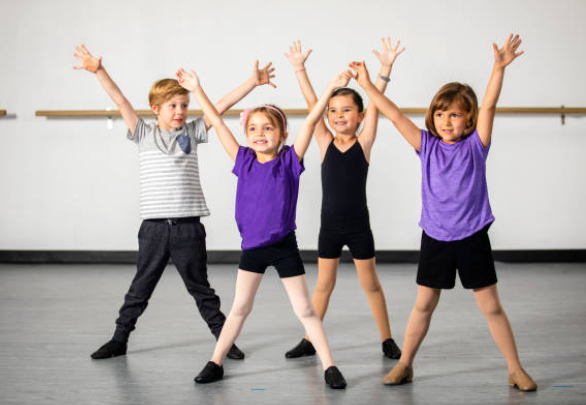
This work aimed to outline the first stages for the development of a pedagogical model for teaching-learning of expressive content within physical education (creative body movement). Drawing on several suggestions from previous models’ conceptualizations, we explore and present the theoretical foundations, practical considerations, and assumptions that align and support their core features. The major theme of the model is that students explore new expressive movements and develop capabilities through expressive games or tasks that nurture their creativity and ease their embodied movements. This implies that teachers should provide students with several resources and stimuli to nurture their creativity. Also, teachers should promote students’ embodiment through the exploration of new movements that allow knowing themselves in different movement situations. The affective and cognitive domains will be prominent in this model. The teachers’ and students’ assumptions, implementation needs, and enactment about how to apply this model are also proposed.
También te puede interesar
Reconciling fidelity and teaching agency: How preservice teachers’ implementation of a hybrid sport education–step game approach impacts student learning
This study examined how different levels of implementation fidelity to critical elements of a hybrid
¿Cuáles son los efectos del modelo de educación deportiva en la actividad física en relación al género y nivel de habilidad?
Physical Education (PE) is a place where all the students, regardless of their differences, should e
Teacher or student-centred model? Step-by-step analysis of basic psychological needs of a new sport – goubak
This study evaluated the satisfaction of basic psychological needs (autonomy, competence, relatednes

Publica un comentario