Creativity Through Embodied Movement in Expressive Activities: Conceptualising a New Pedagogical Model
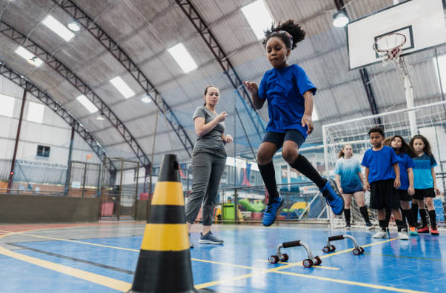
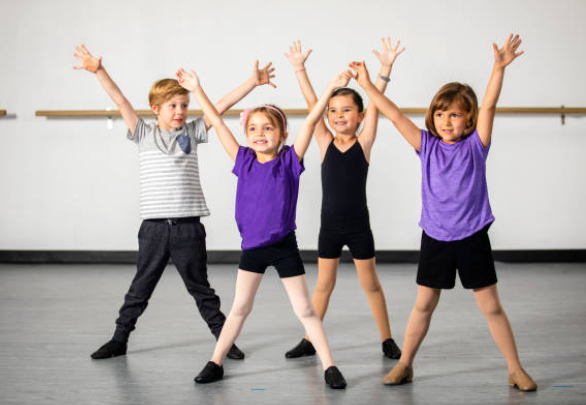
This work aimed to outline the first stages for the development of a pedagogical model for teaching-learning of expressive content within physical education (creative body movement). Drawing on several suggestions from previous models’ conceptualizations, we explore and present the theoretical foundations, practical considerations, and assumptions that align and support their core features. The major theme of the model is that students explore new expressive movements and develop capabilities through expressive games or tasks that nurture their creativity and ease their embodied movements. This implies that teachers should provide students with several resources and stimuli to nurture their creativity. Also, teachers should promote students’ embodiment through the exploration of new movements that allow knowing themselves in different movement situations. The affective and cognitive domains will be prominent in this model. The teachers’ and students’ assumptions, implementation needs, and enactment about how to apply this model are also proposed.
También te puede interesar
Physical Activity Levels and Body Mass Index in Sport Education. Is There a Difference?
Purpose: The goals of this study were: (1) to assess students’ physical activity levels in a spor
Effects of 6 Weeks Direct Instruction and Teaching Games for Understanding Programs on Physical Activity and Tactical Behaviour in U-12 Soccer Players
The purpose of this study was to compare the effects of 6 weeks direct instruction and teaching game
Exploring Game Performance and Game Involvement: Effects of a Sport Education Season and a Combined Sport Education—Teaching Games for Understanding Unit
Purpose: The purpose of this study was to establish any difference in terms of game performance and

Publica un comentario