
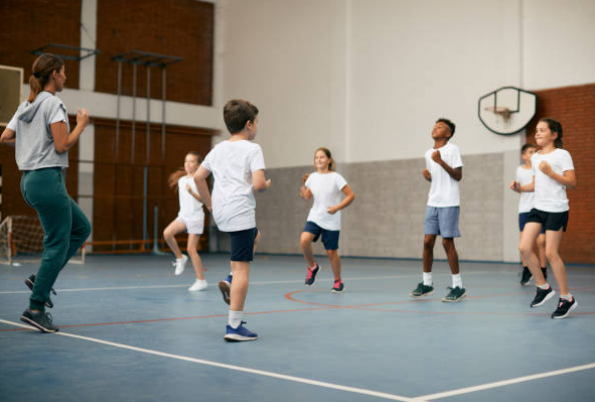
Exploring Game Performance and Game Involvement: Effects of a Sport Education Season and a Combined Sport Education—Teaching Games for Understanding Unit
También te puede interesar
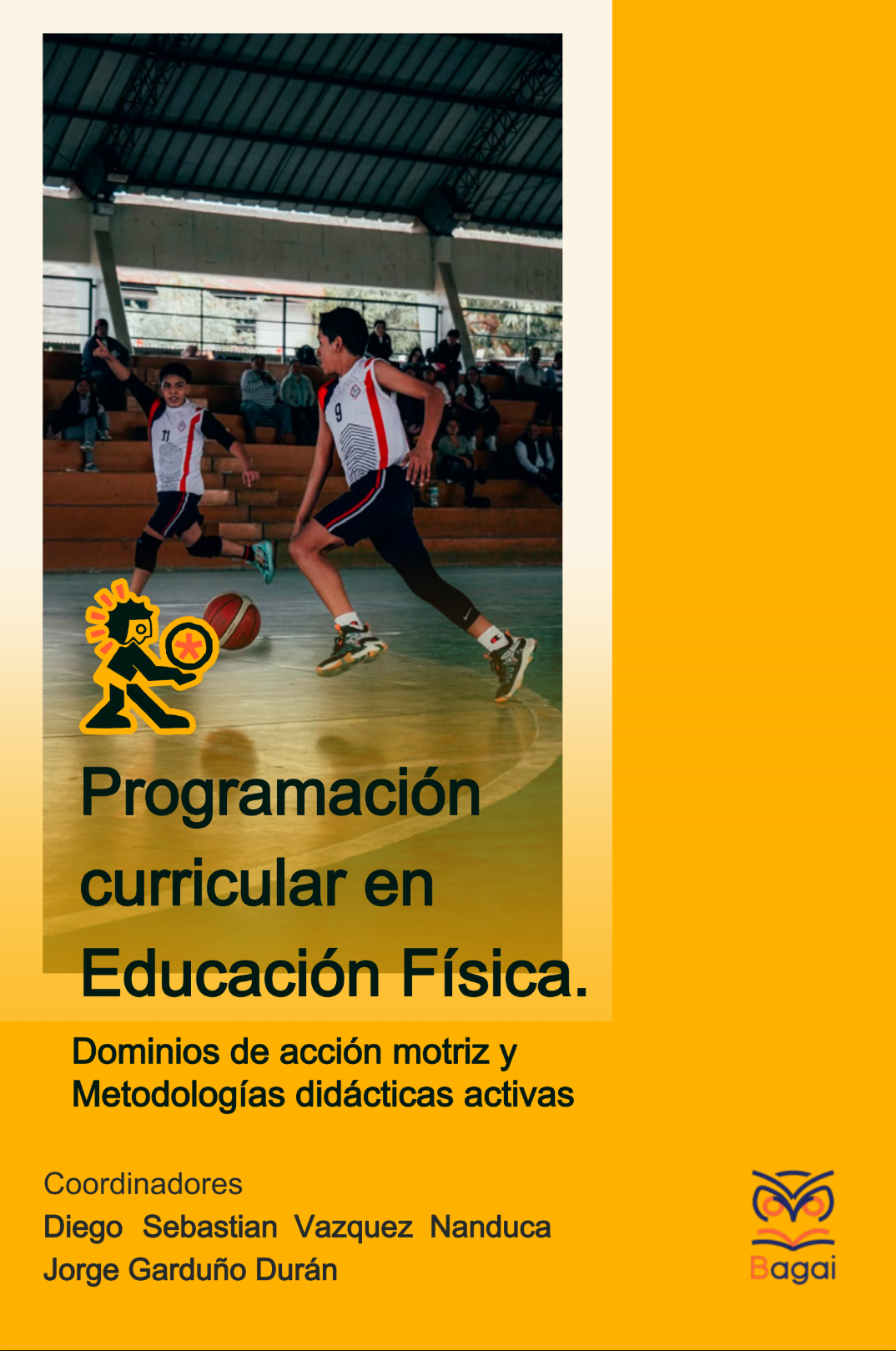
El Paintball educativo: del lanzamiento al pensamiento estratégico desde la cooperación-oposición: Programación curricular en educación física. Dominios de acción motriz y metodologías didácticas activas
La metodología y los contenidos seleccionados en Educación Física determinan la consecución o no
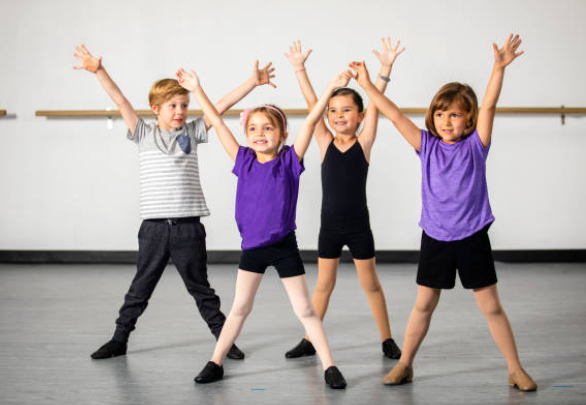
Creativity Through Embodied Movement in Expressive Activities: Conceptualising a New Pedagogical Model
This work aimed to outline the first stages for the development of a pedagogical model for teaching-

Teacher or student-centred model? Step-by-step analysis of basic psychological needs of a new sport – goubak
This study evaluated the satisfaction of basic psychological needs (autonomy, competence, relatednes
Publica un comentario