

La enseñanza comprensiva del deporte (ECD): desarrollo técnico-táctico en el fútbol.
Durante la edad escolar el alumnado está en continuo cambio y el profesorado necesita de herramientas que se adapten a esos cambios y, sobre todo, al alumnado actual. Debido al nuevo enfoque en el paradigma de enseñanza-aprendizaje, centrando el proceso en el discente, este libro pretende dar al p
El aprendizaje-servicio en edad escolar en el área deEducación Física: una revisión sistemática
Introducción: El estudio presentó una revisión de los principales beneficios del aprendizajeservicio en la educación física escolar.Objetivo: Analizar el impacto del aprendizaje-servicio en Educación Primaria, Secundaria y Bachillerato, destacando los beneficios tanto para quienes participan c
Diseño, implementación y valoración de una aplicación móvil para evaluar el rendimiento de juego del Goubak®.
La utilización de aplicaciones móviles (apps) se ha extendido en la práctica deportiva y se ha trasladado al ámbito educativo, en el que el uso de las Tecnologías de la Información y Comunicación (TIC) es cada vez más habitual. En este sentido, es responsabilidad del profesorado la enseñanz
Diseño y validación de un instrumento de evaluación del rendimiento de juego en deportes de invasión: Goubak
Introducción y objetivo: utilizar deportes novedosos facilita la homogeneidad del nivel de pericia en el alumnado, favoreciendo un entorno más igualitario en la práctica deportiva en el contexto escolar. En este sentido, el objetivo del artículo ha sido diseñar, validar y adaptar el Game Perfor
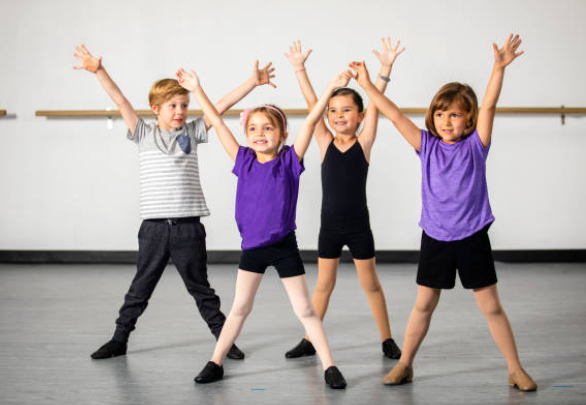
Creativity Through Embodied Movement in Expressive Activities: Conceptualising a New Pedagogical Model
This work aimed to outline the first stages for the development of a pedagogical model for teaching-learning of expressive content within physical education (creative body movement). Drawing on several suggestions from previous models’ conceptualizations, we explore and present the theoretical fou
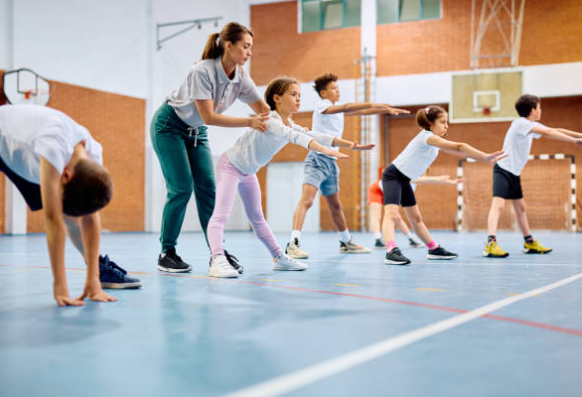
Health-Based Physical Education and Sport Education: the staging of a hybridization from a collaborative approach
This qualitative study aimed to describe the collaborative process followed by an in-service teacher and two university researchers in co-designing and implementing a Health-based Physical Education/Sport Education hybridization and to explore the perceived strengths/weaknesses of the process. An 11
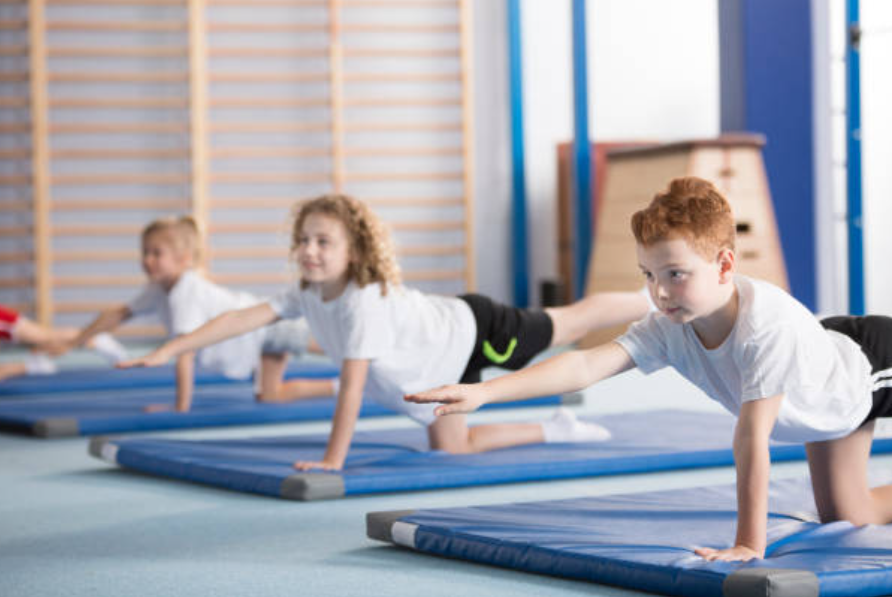
Physical Activity Levels and Body Mass Index in Sport Education. Is There a Difference?
Purpose: The goals of this study were: (1) to assess students’ physical activity levels in a sport education season according to the phases of the model, adjusted for body mass index; (2) to uncover the contribution of the phases of the model to the World Health Organization recommendations; (3)
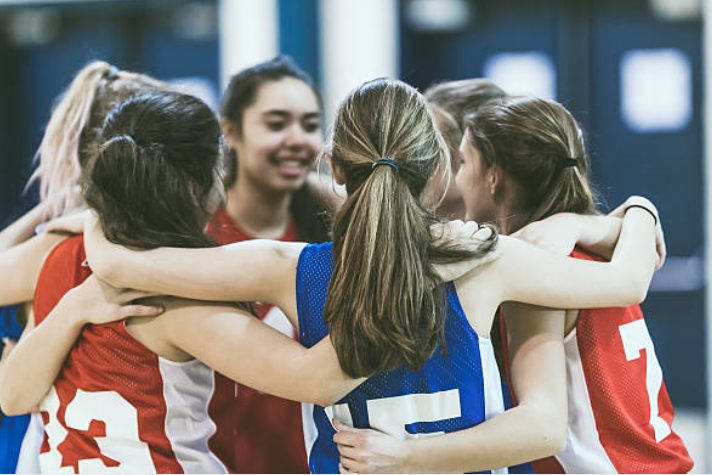
The Teaching Personal and Social Responsibility Model within the School Context: A Systematic Review
The main objective of this research was to analyze the impact and development of intervention programs based on the Teaching Personal and Social Responsibility (TPSR) model within the school context. A systematic review was conducted in seven international databases. The keywords “TPSR” and “E
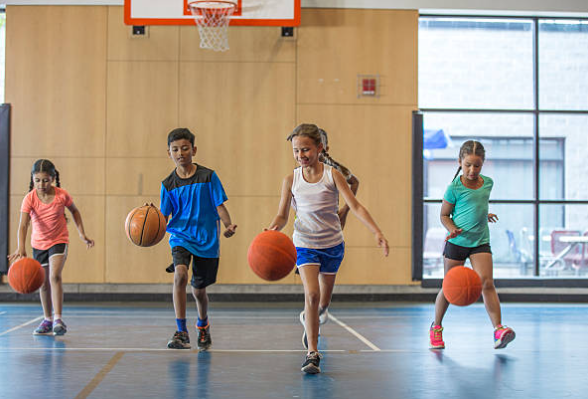
A Comparison of Motivation and Physical Activity Levels Between a Sport Education Season and a Hybrid Sport Education and Cooperative Learning Season
Purpose: To understand how a season of sport education (SE) and a hybrid SE and cooperative learning season impacted on elementary school students’ physical activity levels and motivation and to examine possible differences according to gender. Method: A total of 97 fourth- to fifth-grade stude
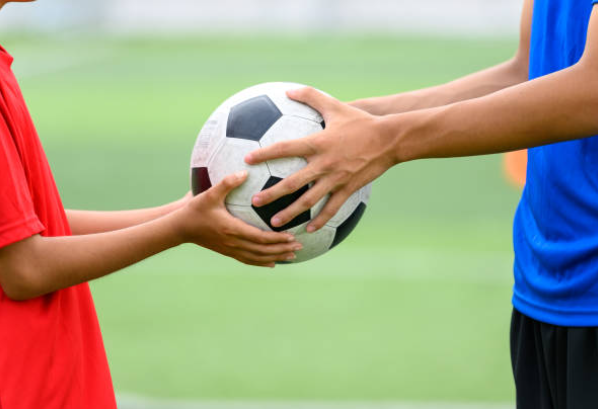
Sportspersonship Under Review: An Examination of Fair Play Attitudes Through the Contextualized Sport Alphabetization Model in Primary Physical Education
Purpose: The goal was twofold: (a) to analyze the evolution of sportspersonship attitudes and negative values along a learning unit using the contextualized sport alphabetization model and (b) to determine the associations between sportspersonship and self-determined motivation. Method: The study